Understanding the House Edge
The house edge is a crucial concept that every casino enthusiast must understand before engaging in any betting activities. It represents the statistical advantage that casinos maintain over players in various games, typically indicated as a percentage of the total bets placed. For example, if a game has a house edge of 5%, this implies that, in the long run, the casino expects to keep $5 for every $100 wagered by players. This mathematical advantage is fundamental to the casino’s profitability, as shown in the case study BettyCasino , allowing them to sustain operations and provide a lavish atmosphere for patrons.
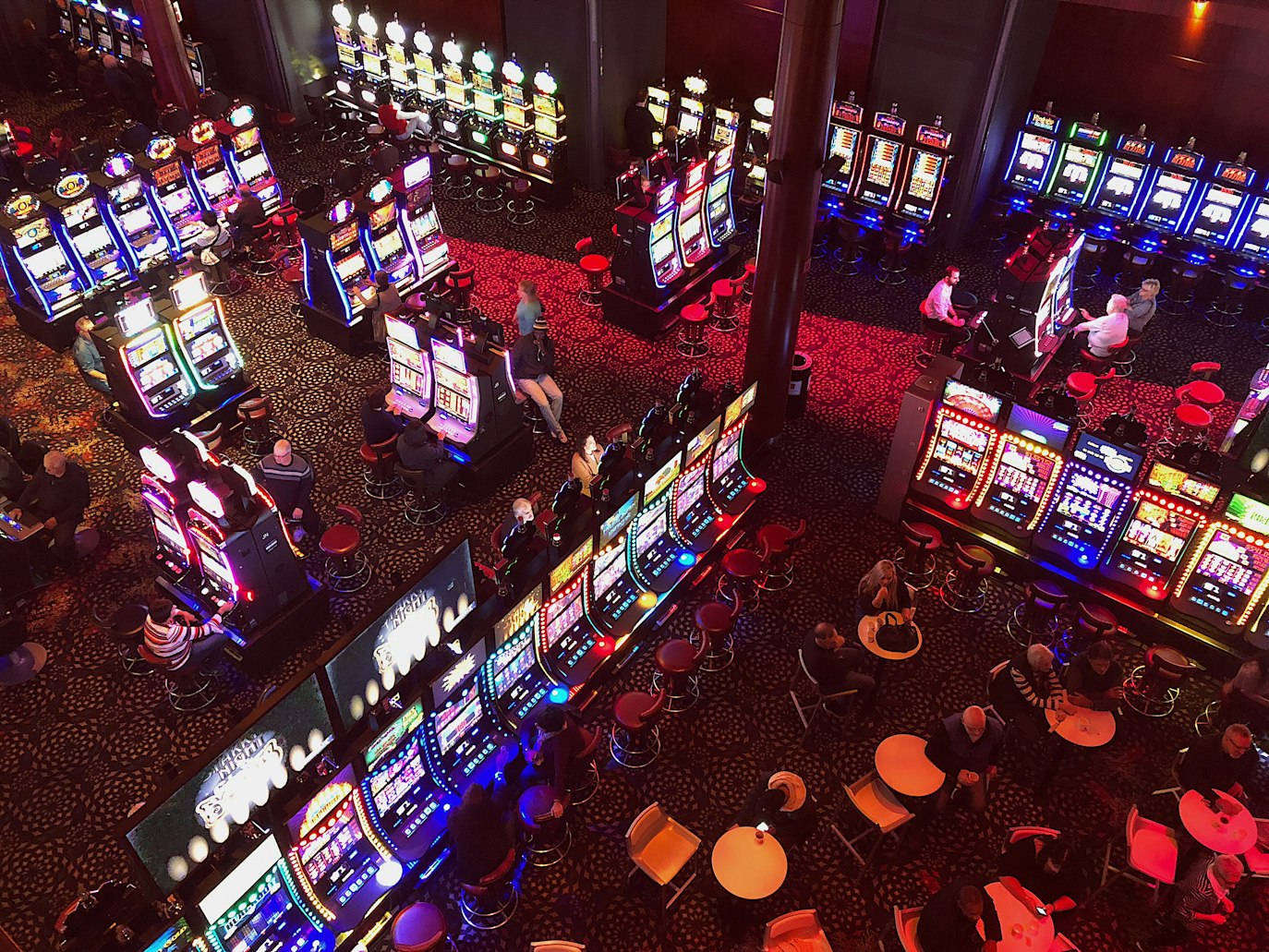
Different games come with varying house edges, shaped by factors such as the rules of the game, player choices, and the element of chance. In games like blackjack, players who employ optimal strategies can bring the house edge down to below 1%, thus enhancing their chances of winning. In stark contrast, games like slot machines often have a higher house edge, sometimes exceeding 15%, which can be detrimental for players looking to minimize their potential losses. Therefore, understanding these variations is essential for players aiming to enhance their overall gambling experience.
It’s critical to recognize that the house edge does not guarantee a loss for every player in every session. While it indicates a long-term statistical advantage for the casino, individual gaming experiences can vary greatly due to elements of luck and strategic play. This unpredictability often leads players to believe they can consistently overcome the house edge. Nevertheless, over extensive gaming sessions, the house edge typically asserts itself, reaffirming the casino’s odds while underscoring the importance of approaching gambling with realistic expectations.
Can Skill Influence Outcomes?
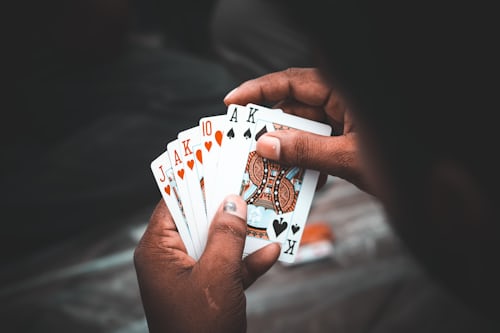
Skill is a significant factor in certain casino games, particularly in poker and blackjack, where players’ decisions can directly affect the results. In these games, players compete against one another or make informed choices, and mastering strategies can substantially reduce the house edge. For instance, blackjack players who learn basic strategy and card counting techniques can shift the odds in their favor, while poker players who understand probabilities and psychological tactics can significantly enhance their chances of profitability over time. Those who invest time into learning effective strategies often see their winning potential rise considerably.
Unlike purely luck-based games such as slots, where outcomes are dictated by random number generators, skill-based games offer a deeper level of engagement. In blackjack, players who know when to hit, stand, or double down can greatly influence their probability of winning. By adhering to established basic strategy charts, players effectively reduce the house edge, making blackjack one of the most advantageous games for those willing to put in the effort to learn the rules and strategies involved.
In the poker arena, the ability to read opponents and adapt strategies based on the game’s dynamics can yield significant rewards. Skilled players can exploit the weaknesses of less experienced competitors, thereby developing a sustainable winning strategy over time. However, it’s essential to acknowledge that while skill can influence outcomes, the inherent risks of variance and the house edge persist across all types of casino gaming. Players must strike a balance between utilizing their skills and recognizing that luck will always play a role in the final outcome.
The Role of Luck in Gambling
Luck is an undeniable element in gambling, profoundly affecting the short-term results of any game. Players often experience brief winning streaks that may lead them to believe they have successfully outsmarted the house edge. Games such as roulette and slot machines exemplify this reliance on chance, with outcomes determined by random processes rather than player skill. Although short-term wins can be exhilarating, the inherent randomness of these games ultimately favors the house, making it vital for players to maintain realistic expectations regarding their odds of winning.
Despite this, some players strive to implement strategies, such as betting systems, in games of chance to improve their odds. These systems often rely on identifying patterns or analyzing past outcomes, yet they ultimately fail to change the fundamental odds of each game. In luck-based games, the belief that one can influence results can lead to chasing losses, which significantly amplifies financial risks. Understanding the nature of luck can empower players to approach their gambling activities with greater rationality and caution.
Accepting the existence of luck in gambling can promote a healthier mindset for players. Recognizing that casino games primarily revolve around chance allows individuals to manage their expectations and avoid making impulsive decisions during gameplay. Rather than solely focusing on the goal of overcoming the house edge, players can appreciate the entertainment value of gambling, enjoying the thrill and excitement while remaining aware of the inherent risks involved.
Risk Management Strategies
Implementing effective risk management strategies is essential for any player seeking to minimize losses while enjoying their time at the casino. One of the most effective methods is to set a budget for gaming sessions, ensuring that players only gamble amounts they can afford to lose. This practice not only helps to prevent emotional decision-making—often associated with chasing losses—but also encourages responsible gambling behavior. By adhering to a predetermined budget, players can savor their casino experience without the stress of financial burdens.
Understanding game volatility is another vital component of risk management. High volatility games tend to exhibit considerable fluctuations in payouts, which can quickly deplete a player’s bankroll. In contrast, low volatility games may provide more frequent, smaller wins, allowing for a steadier gaming experience. Players should align their game selections with their personal risk tolerance and bankroll management strategies, increasing the likelihood of achieving positive outcomes while mitigating risks associated with high-stakes gaming.
Furthermore, establishing win and loss limits during gaming sessions can be beneficial. By determining a specific threshold at which to walk away—whether after achieving a win or incurring a loss—players can avoid emotional overindulgence. This approach empowers players to make more rational decisions that are less influenced by immediate outcomes. Ultimately, by incorporating these risk management strategies, players can enhance their overall gaming experiences and reduce the chances of incurring substantial losses over time.
Exploring Resources for Gamblers
For those eager to deepen their understanding of gambling mechanics and strategies, there is a wealth of resources available that provide valuable insights. Numerous websites focus on gambling education, offering tips, strategic advice, and analyses of various games, which empower players to make informed decisions. These platforms can play a significant role in educating players about the nuances of different games, the implications of house edge, and the impact of skill. Engaging with these resources can greatly enhance a player’s knowledge and approach to casino gaming.
In addition to educational websites, specific forums and online communities bring together players who share experiences, strategies, and advice. These platforms foster a sense of camaraderie among gamblers, allowing individuals to learn from one another’s successes and setbacks. Participating in these discussions can be both enriching and enlightening, enabling players to gain fresh perspectives on various strategies and techniques while staying updated on trends within the gaming industry.
Ultimately, a comprehensive understanding of the dynamics of gambling—a blend of skill, luck, and strategy—can significantly elevate the gaming experience. By leveraging available resources effectively, players can equip themselves with the tools needed to navigate the highs and lows of gambling, embracing the journey of chance while remaining mindful of the inherent risks. This approach not only enhances enjoyment during casino adventures but also encourages a more responsible and informed approach to gaming.